
On this page
The Operating Rhythms of a Hotel
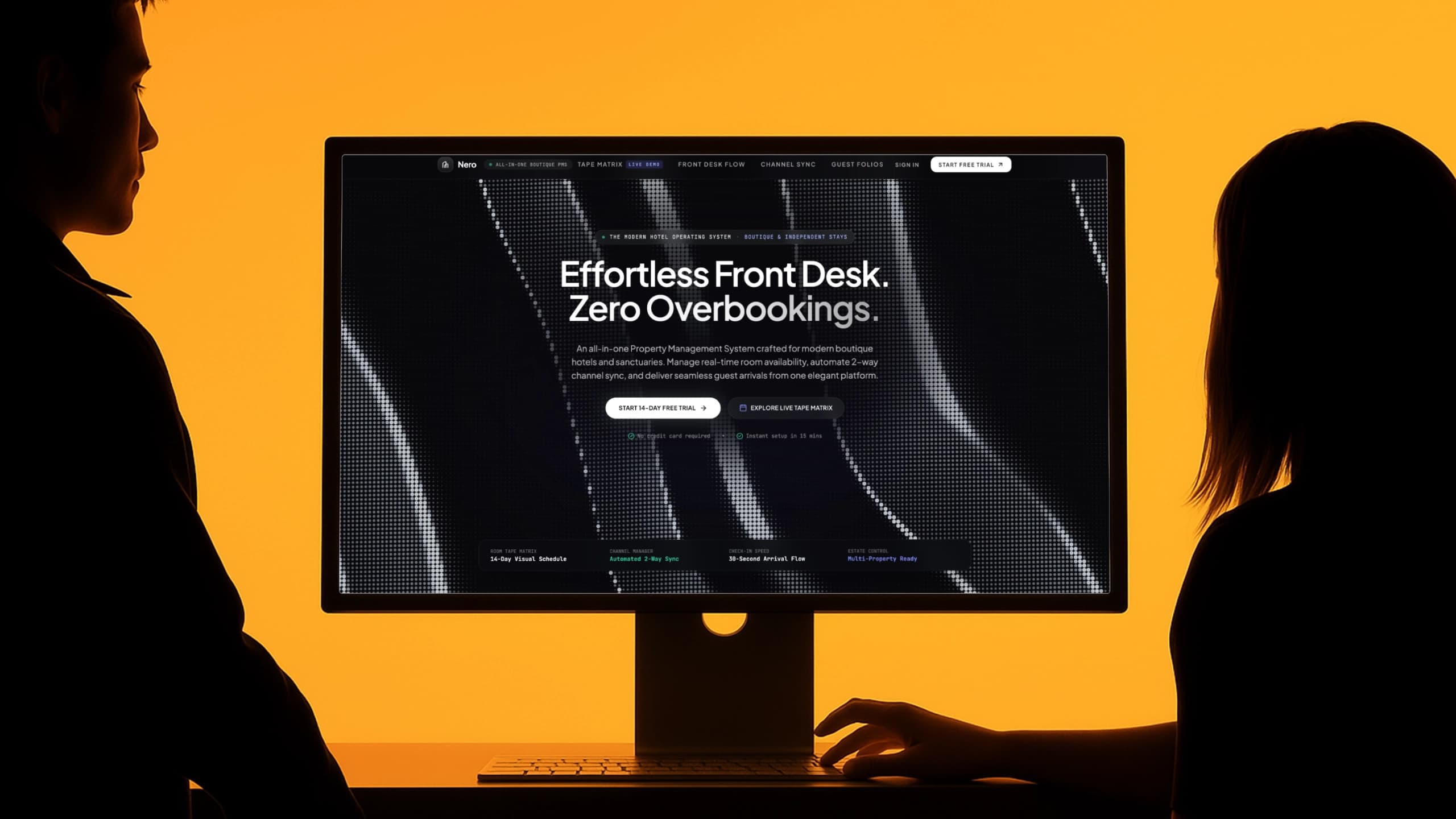
Nero started from a personal fascination with high-stakes software systems and a desire to build my own independent product from the ground up. Most consumer web apps deal with forgiving data: if a comment fails to post or a shopping cart expires, the consequence is minimal. A hotel, by contrast, operates on relentless, time-decaying inventory. An unsold room tonight vanishes forever at sunrise, while an accidental double-booking creates an immediate operational crisis in a crowded lobby.
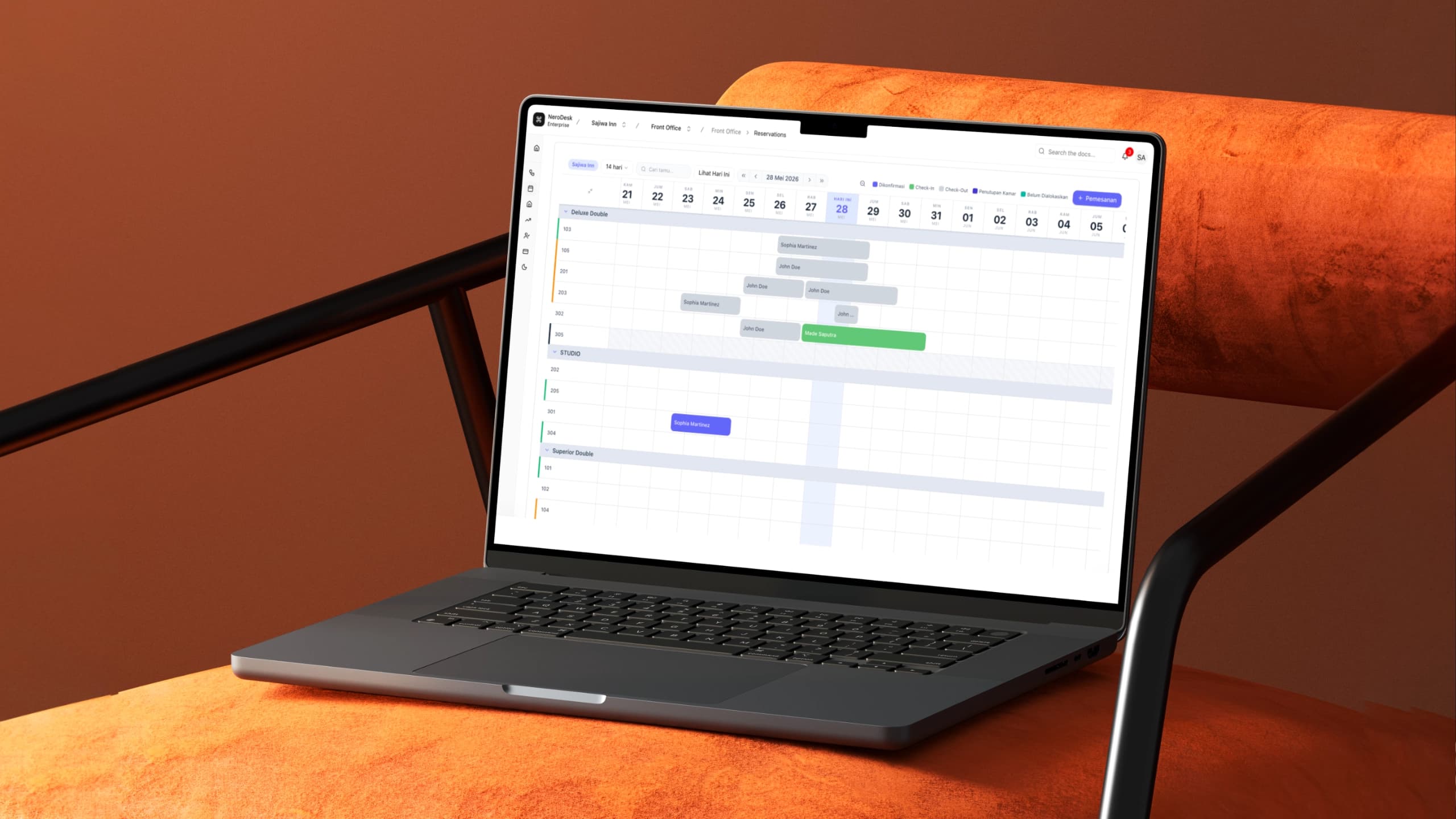
Beyond room reservations, a hotel is an interlocking web of distinct rhythms. Front desk shifts need instant responsiveness during afternoon arrival rushes. Night audit processes reconcile hundreds of transactions across room rates, mini-bars, and restaurant charges while guests sleep. Housekeeping teams constantly mutate room readiness states between departures and upcoming arrivals. I wanted to understand how to design software that coordinates these moving parts without turning every screen into an isolated silo.
The Front-Desk Crucible: Concurrency & State
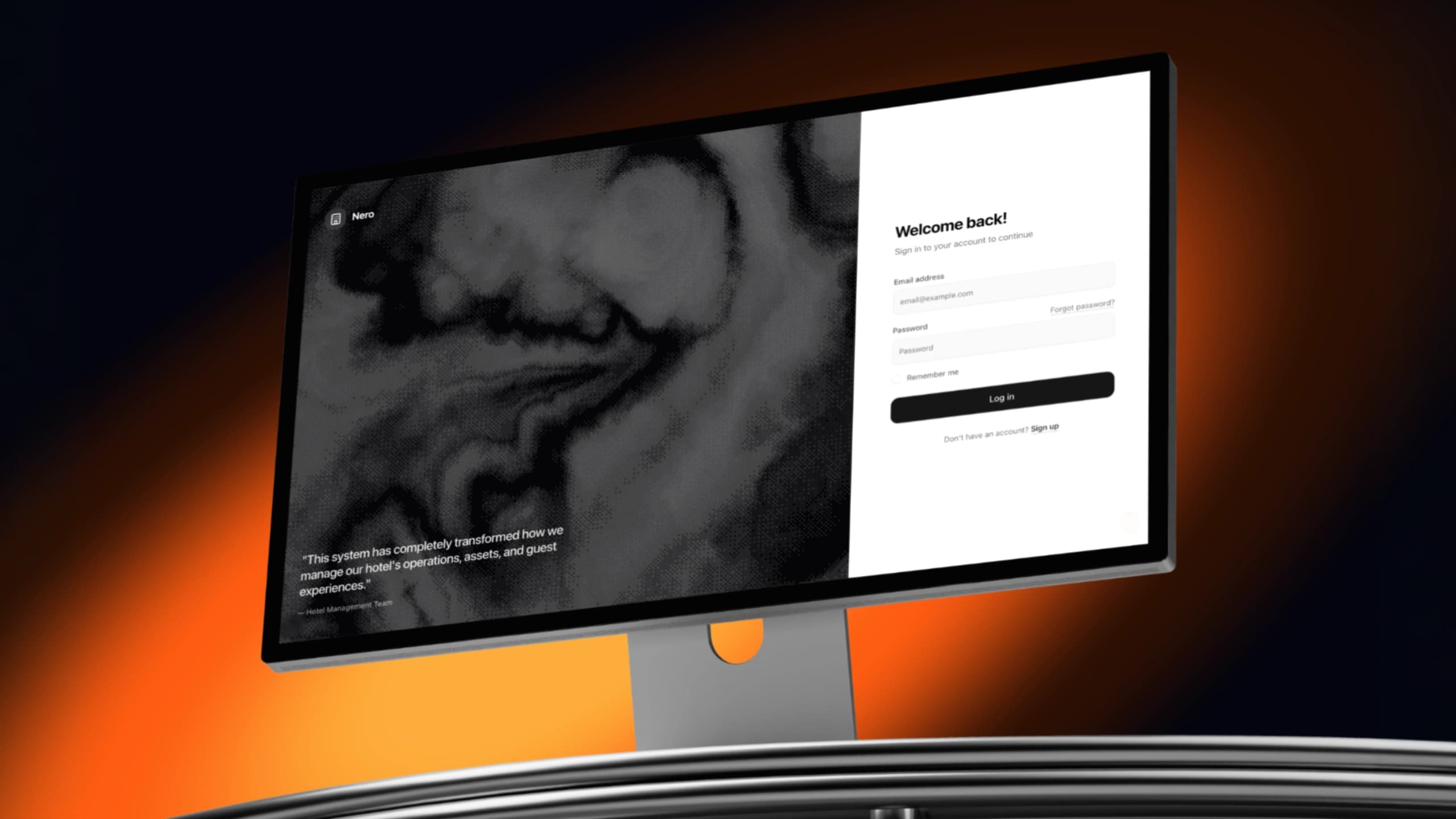
The most technically demanding flow in the application is the check-in lifecycle. A reservation is not simply an entry in a calendar; it is a financial and operational commitment that transitions through strict states: reserved, allocated, checked in, and settled.
When a front-desk agent checks in a guest, the system has to perform multiple atomic operations. It must lock the specific room number from the broader room type pool, verify that housekeeping has marked that physical room clean and inspected, capture or verify the security deposit on the guest folio, and issue digital key card records.
To prevent race conditions—such as two desk agents assigning the same newly cleaned suite during a busy arrival window—I implemented optimistic locking at the database layer paired with distributed Redis locks for room assignment mutations. If two transactions attempt to claim the same room unit within milliseconds, one cleanly acquires the lock while the other receives an instant conflict error and suggests the next available room in the same category.
The Business Iceberg
The technical implementation of the core flows—access control, room matrices, reservation state machines, folios, and the front-desk interface—works as designed. But as those core mechanics solidified, I ran straight into the business iceberg.
Building software that moves booking data through a database is manageable. Building a commercial hospitality engine that survives real-world operations is an entirely different beast. Real hotels do not exist in a vacuum; their survival depends on constant synchronization with online travel agencies via two-way channel managers (like SiteMinder, HotelLink, or Cloudbeds), complex multi-tiered local tax laws, split folios between corporate sponsors and individual guests, and unpredictable cashier shift reconciliations.
Recognizing the depth of that domain was a pivotal moment. Rather than rushing half-baked features into the application, I paused rapid feature development to conduct deep research into real hospitality operational reports, channel manager API architectures, and cash-flow mechanics. Nero remains in active development: the technical core is proven, and the next phase is bridging that architecture to the messy, demanding realities of real hotel operations.
Where it stands.
Delivered
- Decoupled Next.js and NestJS monorepo with shared Zod contracts.
- Room availability matrix, reservation state machine, and guest folios.
- Front-desk check-in interface with deposit capture and room allocation.
- Distributed Redis locks preventing concurrent room assignment collisions.
What remains
- The application is still in development; channel manager synchronization and complex folio billing remain active discovery areas.